
AI‑Generated Music and the New Wave of Viral Remixes: Technology, Law, and the Future of Music Creation
AI-generated music is rapidly moving from novelty to mainstream, enabling anyone to create convincing songs, remixes, and voice-cloned performances that trend on TikTok, YouTube, and streaming platforms. These systems lower the barrier to music production while intensifying disputes over copyright, training data, and artists’ rights of publicity. This review examines how current AI music tools work in practice, why AI remixes go viral, the legal landscape as of late 2025, and what this shift means for creators, labels, platforms, and everyday listeners.
Overall, AI music is neither a trivial fad nor an imminent replacement for human artists. It is best understood as a powerful production and experimentation layer that will reshape workflows, licensing models, and the definition of originality rather than eliminate human creativity.
AI Music in Context: Visual Overview
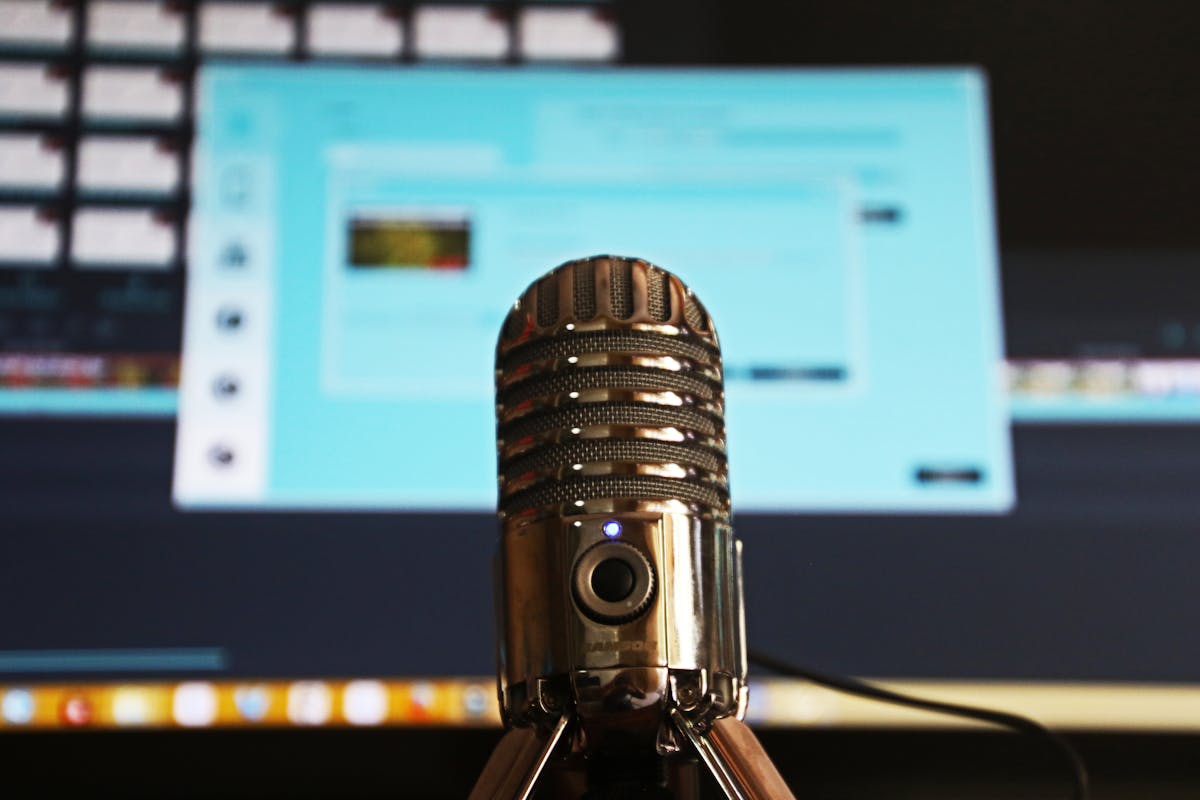
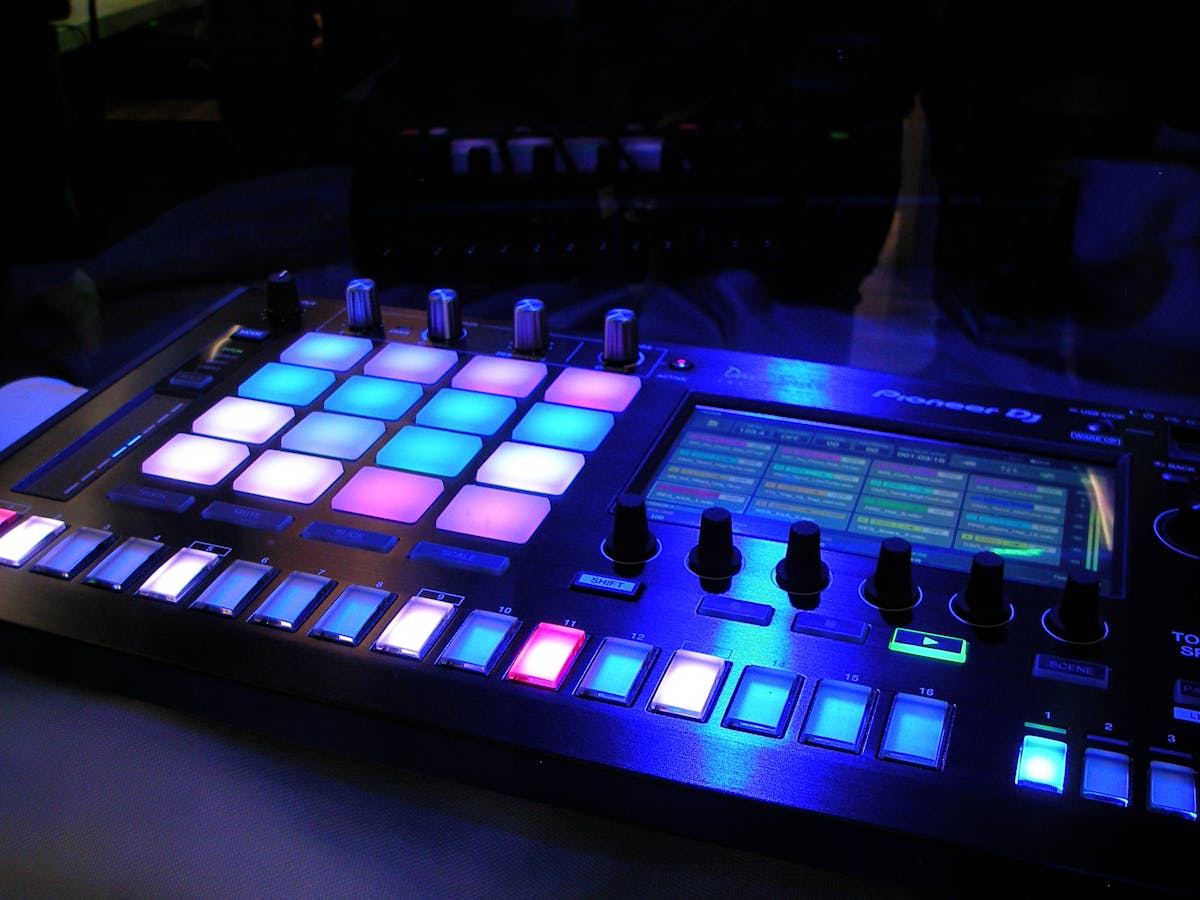
The following images illustrate typical AI music workflows, studio setups that integrate AI, and the kinds of online environments where AI remixes spread.




Technical Landscape of AI‑Generated Music (2024–2025)
AI music systems combine several model types—text-to-music generators, voice cloning engines, and tools for stem manipulation—to support user-generated remixes and original tracks.
| Capability | Typical Input | Typical Output | Common Use Cases |
|---|---|---|---|
| Text-to-music generation | Prompt with genre, mood, tempo, length | Instrumental track (8–120 seconds, sometimes longer) | Background music, content soundtracks, idea sketches |
| Voice cloning / voice synthesis | Reference vocals plus lyrics or guide melody | Synthetic singing or rapping in a target voice style | Covers, character vocals, multilingual versions |
| Stem separation & remixing | Mixed audio file (e.g., released track) | Isolated stems: vocals, drums, bass, instruments | Mashups, DJ edits, sample-based production |
| Style transfer & arrangement | MIDI/MusicXML or a simple melody | Full arrangement in a chosen style or era | Genre swaps, cinematic versions, lo-fi edits |
| Automatic mastering & enhancement | Near-final stereo mix | Balanced, louder master with EQ and dynamics applied | Indie releases, quick demos, platform-ready audio |
Most viral AI remixes in 2024–2025 combine stem separation (to isolate an original vocal or instrumental), voice cloning (to change the singer), and text-to-music (to rebuild or augment backing tracks).
Why AI Remixes and Covers Go Viral
AI remixes are well-suited to the dynamics of short-form platforms. They reward recognizable hooks, fast iteration, and meme-driven creativity.
1. Novelty and recognition
- Familiar melodies sung in unexpected voices (for example, a ballad performed in the style of a rapper) trigger instant recognition and shareability.
- Mashups that combine eras or genres—classical with trap, chiptune with reggaeton—stand out in algorithmic feeds.
2. Extremely low production friction
- User records or types a lyric idea.
- Uploads it to a web-based AI music tool.
- Selects a preset style or reference track.
- Receives multiple variants within seconds or minutes.
This loop allows dozens of variations to be tested, with the best-performing clip pushed to TikTok or YouTube Shorts.
3. Memes and participatory culture
Many AI tracks begin as jokes or meme formats. Once a particular sound catches on, other users replicate the idea with different prompts or characters, creating a sound template
that travels independently of the original creator.
4. Algorithmic amplification
Because engagement metrics (watch time, shares, remixes) are high for surprising audio, recommendation systems on TikTok, YouTube, and Instagram often promote AI-generated content even when its legal status is ambiguous. Platforms are gradually adding AI-content labels and stricter takedown flows, but the basic feedback loop remains strong.
Practical Creator Workflows with AI Music Tools
In real-world use, AI is typically one component of a larger workflow rather than a fully automated end-to-end system.
Common Workflow Patterns
- Idea sketching: Producers generate 30–60 second loops from text prompts, then import the best segments into a DAW for manual arrangement and sound selection.
- AI-assisted topline writing: Songwriters provide lyrics and a rough melody; AI models propose alternate melodies, harmonies, or vocal stylings.
- Voice replacement for demos: A songwriter records a scratch vocal and uses AI to render it as if sung by a different voice profile, while keeping the underlying composition original.
- Remix and mashup creation: Creators separate stems from existing tracks, re-harmonize or re-tempo instrumentals, and optionally add AI-generated verses or choruses.
Strengths and Limitations in Practice
- Strength: Rapid generation of stylistically coherent ideas that would otherwise require multi-instrument skills.
- Strength: Ability to iterate on production and arrangement without booking studio time.
- Limitation: Long-form structure and emotional pacing often require human editing; raw generations can feel repetitive or generic.
- Limitation: Licensed sample packs and commercial stems may not be compatible with all AI tools’ terms of use; users must verify rights before upload.
Legal and Ethical Landscape: Voice Clones, Copyright, and Consent
As of late 2025, legal frameworks around AI-generated music are still evolving, but several consistent themes have emerged across the United States, European Union, and other jurisdictions.
Key Legal Questions
- Copyright in training data: Whether copying recordings to train models constitutes copyright infringement or falls under exceptions depends on jurisdiction, licensing, and the specific use.
- Rights of publicity and voice likeness: Many regions recognize a person’s voice as part of their identity. Unauthorized commercial exploitation of an identifiable voice clone may violate these rights, even if the underlying melody is new.
- Derivative works and sound-alike tracks: AI tracks that closely imitate a particular recording or arrangement can be treated as derivative works requiring permission, regardless of how they were produced.
Industry and Platform Responses
- Labels and publishers: Increasingly send takedown notices for AI tracks that impersonate signed artists without authorization, while also experimenting with officially licensed AI-remix campaigns.
- Streaming platforms: Introduce explicit AI-content policies, label AI-generated tracks, and prohibit deceptive impersonation or misleading metadata.
- Collective management organizations: Explore how to track and distribute royalties when AI contributions are mixed with human performances.
Ethical Guidelines for Responsible Use
- Obtain consent from any identifiable vocalist before training or deploying a voice model based on their recordings.
- Clearly label AI-generated or AI-assisted tracks, especially when style or voice imitation is involved.
- Avoid using AI to generate misleading content that implies an artist endorsed, wrote, or performed a track when they did not.
- Respect takedown requests and platform policies rather than attempting to re-upload removed content under altered names.
How Artists and Labels Are Responding
Reactions across the music community are diverse, reflecting different risk tolerances, business models, and creative priorities.
Collaborative and Experimental Approaches
- Some artists release official stems and encourage AI-assisted remixes under clearly defined licenses with revenue sharing.
- Others publish
AI-ready
sample packs of their sounds or phrase libraries for fans to transform, treating AI derivatives as a form of fan art. - Forward-looking labels partner with AI companies to build branded models trained on authorized catalogs, enabling fans to create music within a controlled ecosystem.
Protective and Restrictive Responses
- High-profile artists call for stricter regulation of voice cloning and clearer mechanisms to opt out of AI training datasets.
- Some contracts now explicitly cover AI usage, specifying whether an artist’s recordings may be used for training, synthesis, or virtual performances.
- Rights holders increasingly monitor platforms for AI impersonations, using automated detection tools and watermarking where available.
Emerging norms suggest a future where artists can explicitly license or refuse AI training and voice cloning, with platforms acting as enforcement and distribution layers.
Beyond Imitation: New Genres and Aesthetic Directions
While the most visible AI tracks imitate famous voices, some of the most interesting work uses models to reach sounds that would be difficult to perform or record conventionally.
- AI breakcore and hyper-edit styles: Dense, rapidly shifting textures composed from highly granular AI generations.
- Virtual choirs and impossible ensembles: Multi-lingual or microtonal choirs that would be logistically complex to assemble in a studio.
- Generative ambience: Long-form, evolving soundscapes that adapt to listener context (for example, focus music that shifts with time of day).
- Algorithmic micro-genres: Niche communities on platforms like YouTube and SoundCloud build entire aesthetics around specific models, prompts, or failure modes (glitches, artifacts, and unusual modulations).
In these cases, the point is not to fool listeners into thinking a human performed the music, but to explore what uniquely machine-guided creativity makes possible.
Value Proposition: Who Benefits from AI‑Generated Music?
The value of AI music tools depends strongly on a user’s role in the ecosystem.
| User Type | Primary Benefits | Key Risks / Trade-offs |
|---|---|---|
| Non-musician creators | Fast, low-cost access to custom music for videos and social posts. | Potential copyright issues if using artist-like voices or unlicensed stems. |
| Indie producers and songwriters | Rapid prototyping, arrangement assistance, inexpensive mastering. | Risk of homogenization if over-relying on presets and default styles. |
| Labels and catalogs | New monetization routes (licensed models, remix contests, fan engagement). | Enforcement overhead, brand-damaging impersonations, data-leak concerns. |
| Listeners | More experimental and niche music, personalized playlists and soundscapes. | Information overload, difficulty distinguishing official from unofficial releases. |
In terms of price-to-performance ratio, AI music tools are already extremely competitive versus traditional studio workflows for prototyping, content soundtracks, and low-budget releases, but less so for high-stakes projects requiring unique performances, strong branding, and clear chain-of-rights.
Comparison with Previous Generations of Music Technology
AI music continues a long lineage of tools that initially sparked controversy before becoming standard parts of production.
| Technology | Initial Concerns | Eventual Role |
|---|---|---|
| Sampling (1980s–1990s) | Unauthorized copying, loss of originality. | Foundation of hip hop, electronic, and pop production; licensing norms emerged. |
| Auto-Tune and pitch correction | Artificial vocals, erosion of realsinging skills. |
Standard studio tool and creative effect across genres. |
| Virtual instruments and sample libraries | Threat to session musicians, perceived uniformity of sounds. | Ubiquitous in film scoring, pop production, and game audio. |
| AI-generated music (2020s) | Impersonation, training-data rights, human displacement. | Likely to become a standard co-creation and prototyping layer, with regulated licensing for voice and style use. |
Unlike earlier tools, however, modern AI can imitate not just sounds but also artist identities, making consent, attribution, and governance significantly more complex.
Real-World Testing Methodology and Observations
To evaluate the current state of AI-generated music and viral remixes, a representative workflow can be tested using widely available tools.
Methodology Outline
- Create several prompts targeting distinct genres (for example, lo-fi hip hop, synthwave, acoustic folk) using text-to-music generators.
- Record short, original vocal phrases and process them with generic voice models that do not imitate specific real-world artists.
- Combine AI-generated instrumentals and vocals inside a DAW, applying traditional mixing techniques.
- Export multiple variants and measure listener preferences, completion rates, and qualitative feedback.
- Optionally test short clips on platforms that permit AI music, while complying with their terms of use.
Key Observations from Typical Tests
- AI excels at delivering genre-accurate textures and production polish but benefits from human intervention for song structure and emotional arc.
- Perceived quality varies significantly between models and presets; careful prompt wording and parameter tuning matter.
- Listeners often accept AI-assisted tracks in background or functional roles (study, gaming, social media) more readily than as flagship artist releases.
Risks, Limitations, and Open Questions
Despite its promise, AI-generated music brings non-trivial technical, economic, and cultural risks.
Technical and Creative Limitations
- Long tracks may exhibit looping textures, inconsistent crescendos, or awkward transitions that require manual editing.
- Model training on large, generic datasets can lead to stylistic convergence, reducing originality when tools are used without customization.
- Quality degradation occurs when repeatedly re-processing stems through multiple AI services.
Economic and Cultural Risks
- Over-saturation: platforms risk being flooded with similar-sounding tracks, making discovery more difficult for human artists.
- Attribution complexity: determining who should be credited and paid (prompt writer, model provider, rights holder) remains unsettled.
- Cultural dilution: constant remixing and voice swapping can blur artistic intent and make it harder to maintain coherent artist brands.
Practical Recommendations for Different Users
The following guidance summarizes how various stakeholders can engage with AI-generated music constructively.
For Emerging Creators and Non-Musicians
- Start with AI for background tracks and demos; treat it as a learning and exploration tool rather than an endpoint.
- Avoid using identifiable voice clones of real artists without explicit permission, even if technically possible.
- Read the terms of service for any AI tool, especially around ownership of outputs and rights to uploaded audio.
For Professional Artists and Producers
- Experiment with AI as a co-writer or sound-design assistant but maintain clear version control and documentation.
- Consider setting public guidelines for fan-made AI derivatives—what is encouraged, what is forbidden, and under what conditions content may be monetized or must be taken down.
- Work with labels, managers, or legal advisors to ensure contracts cover AI training, voice-rights, and future virtual performances.
For Platforms and Rights Holders
- Implement clear labeling for AI-generated content and robust systems for artists to report unauthorized impersonation.
- Explore opt-in voice licensing frameworks that give artists fine-grained control over how their likeness is used.
- Invest in detection technologies (for example, watermarking or fingerprinting) that can differentiate between official and unofficial uses without over-blocking legitimate creativity.
Further Reading and Technical References
For readers seeking more detail on AI-generated music, copyright, and technical implementations, the following resources are useful starting points:
- Google Magenta – Open-source research project on music and art generation.
- OpenAI Research Blog – Papers and posts on generative models relevant to audio and music.
- World Intellectual Property Organization (WIPO) – Policy reports on AI, copyright, and related rights.
- Google Developers – Music & Audio APIs – Technical documentation on audio-related AI tools and APIs.
Verdict: How AI‑Generated Music Will Shape the Next Decade
AI-generated music and viral remixes are not a transient curiosity. They represent a durable shift in how music is conceived, produced, and distributed. The most likely future is a hybrid one: human artists leveraging AI to accelerate workflows and explore new aesthetics, platforms mediating between creators and models, and legal frameworks gradually clarifying consent, licensing, and attribution.
For listeners, AI will quietly power a larger portion of the music they encounter—especially functional soundtracks and micro-genre experiments—while flagship releases remain anchored by human identity and storytelling. For creators, those who learn to integrate AI tools thoughtfully, respect rights, and cultivate distinct artistic voices will be best positioned to thrive in this new landscape.